Artwork description
Overview
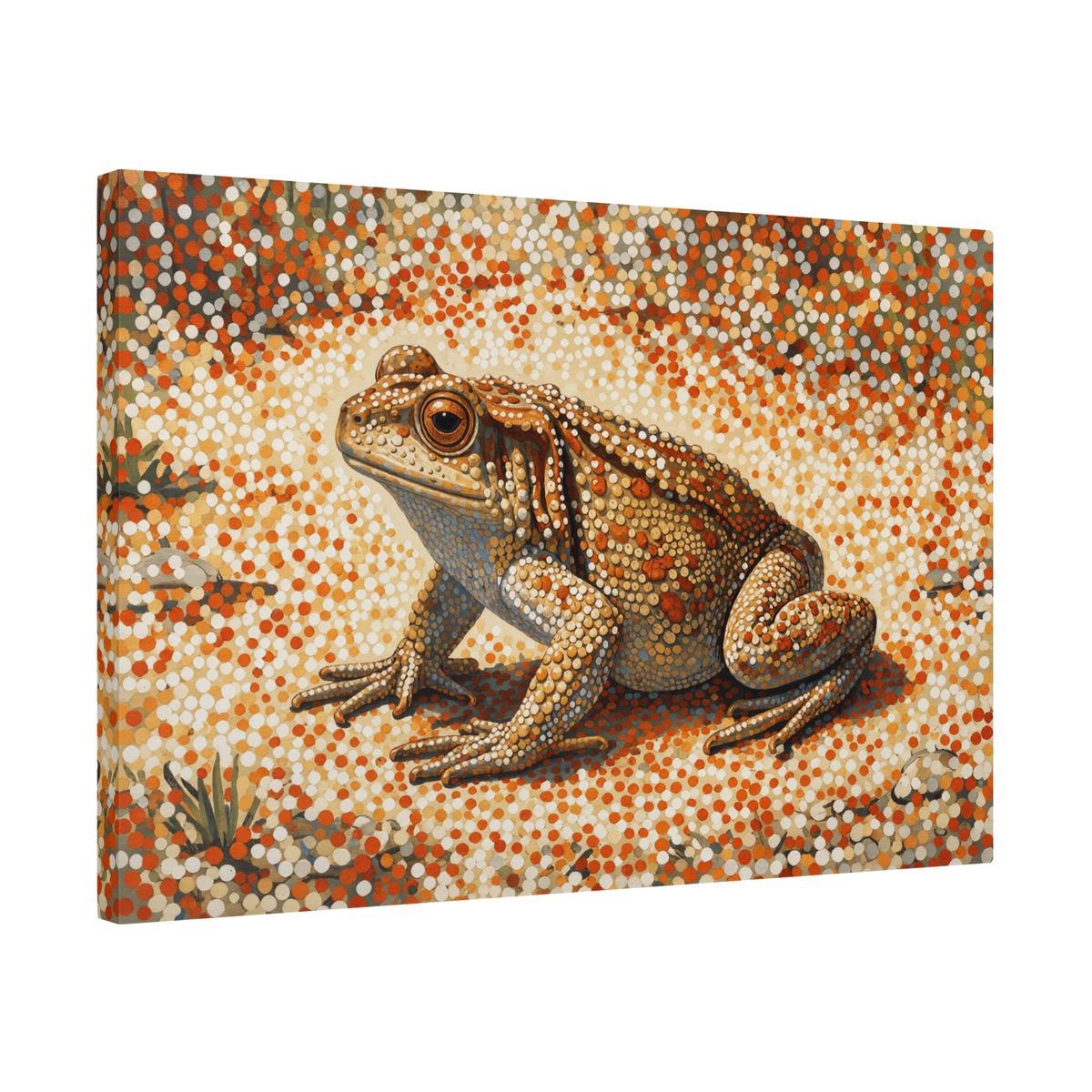
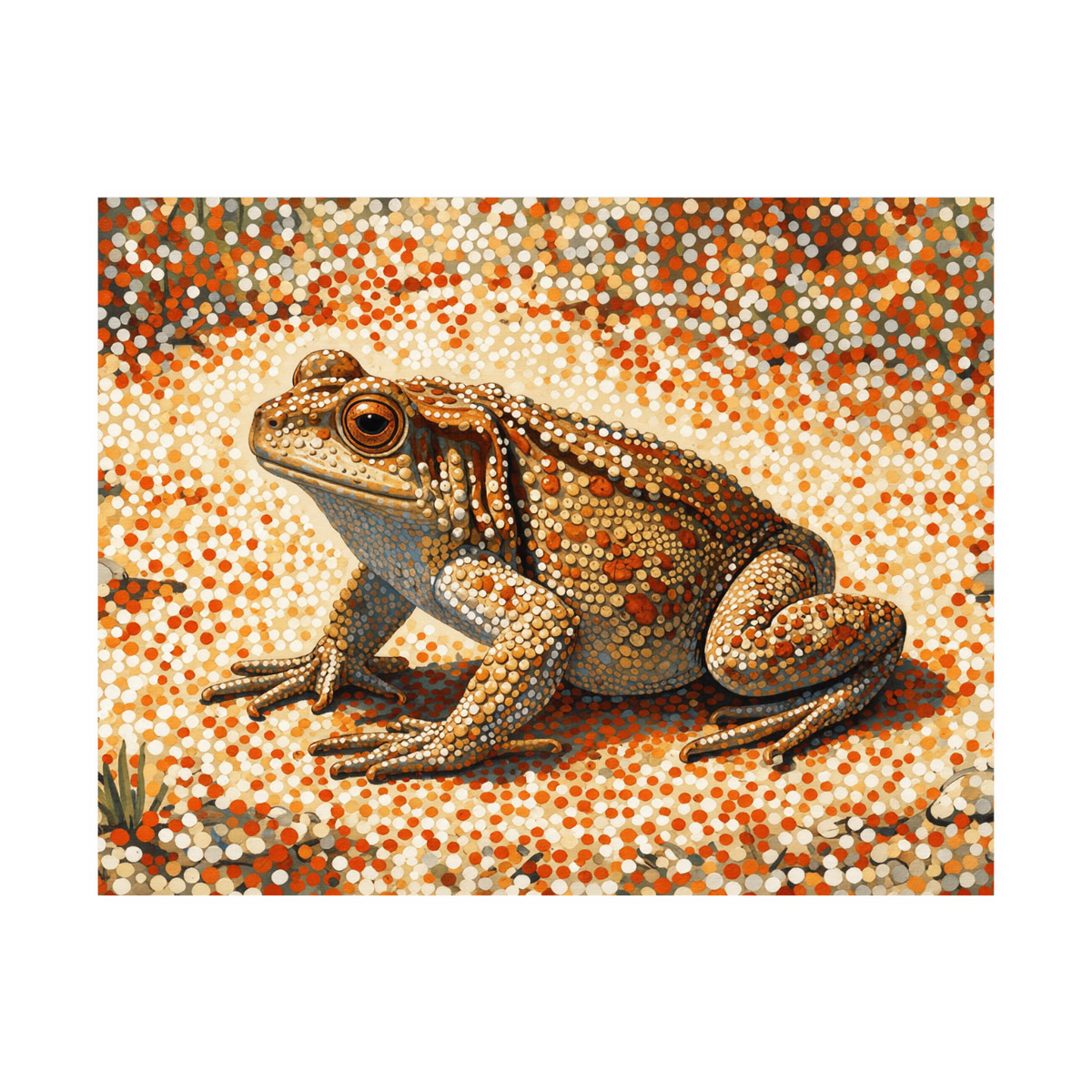
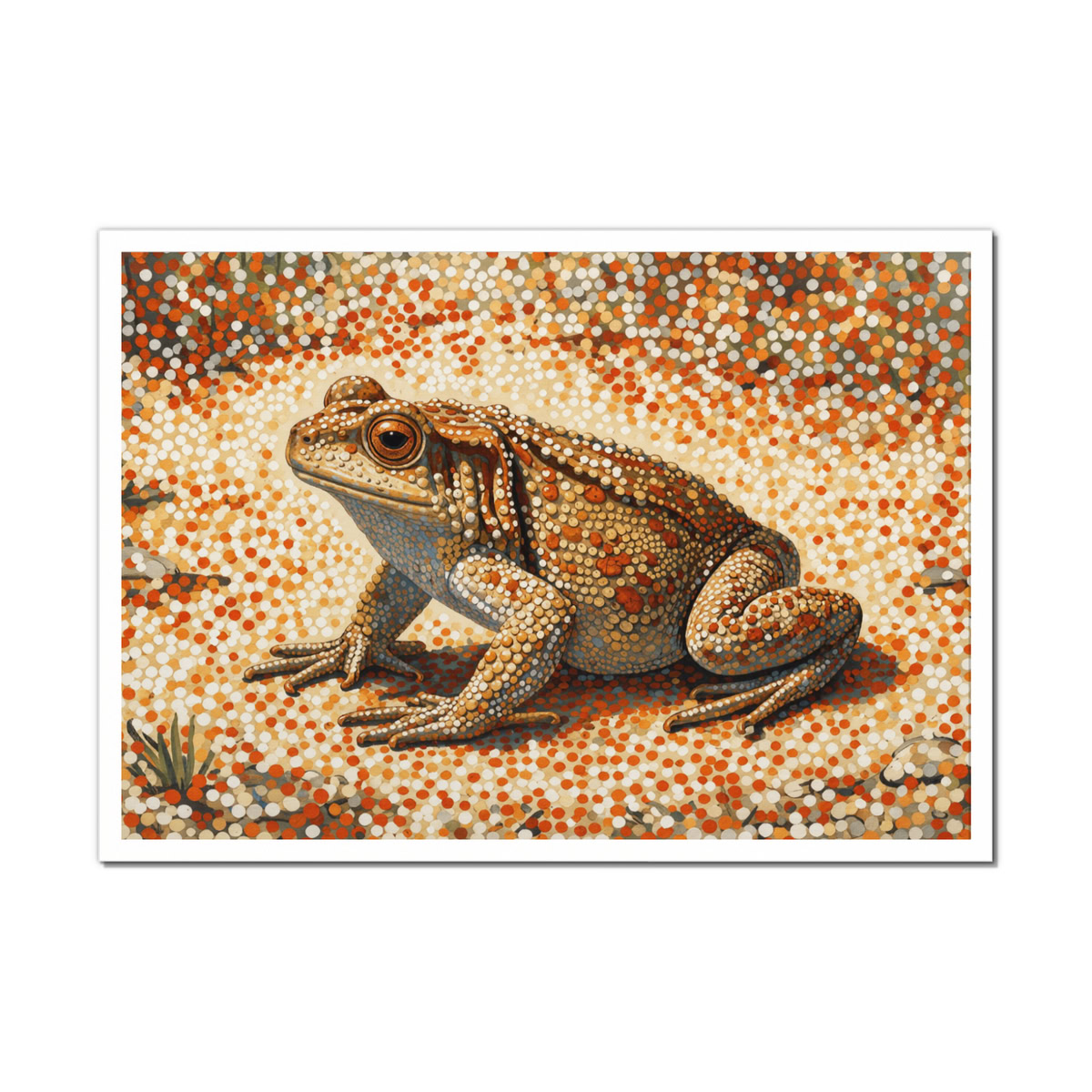
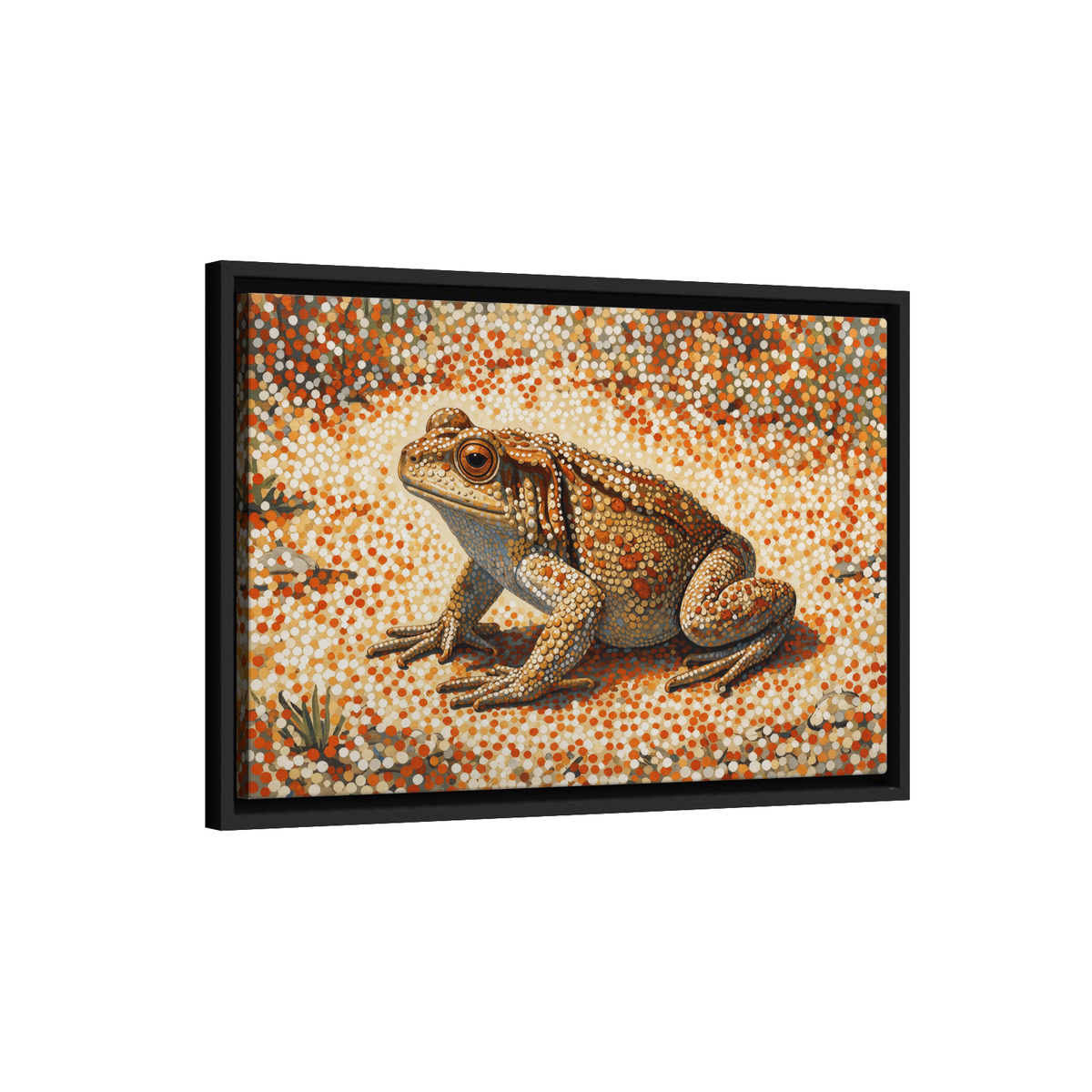
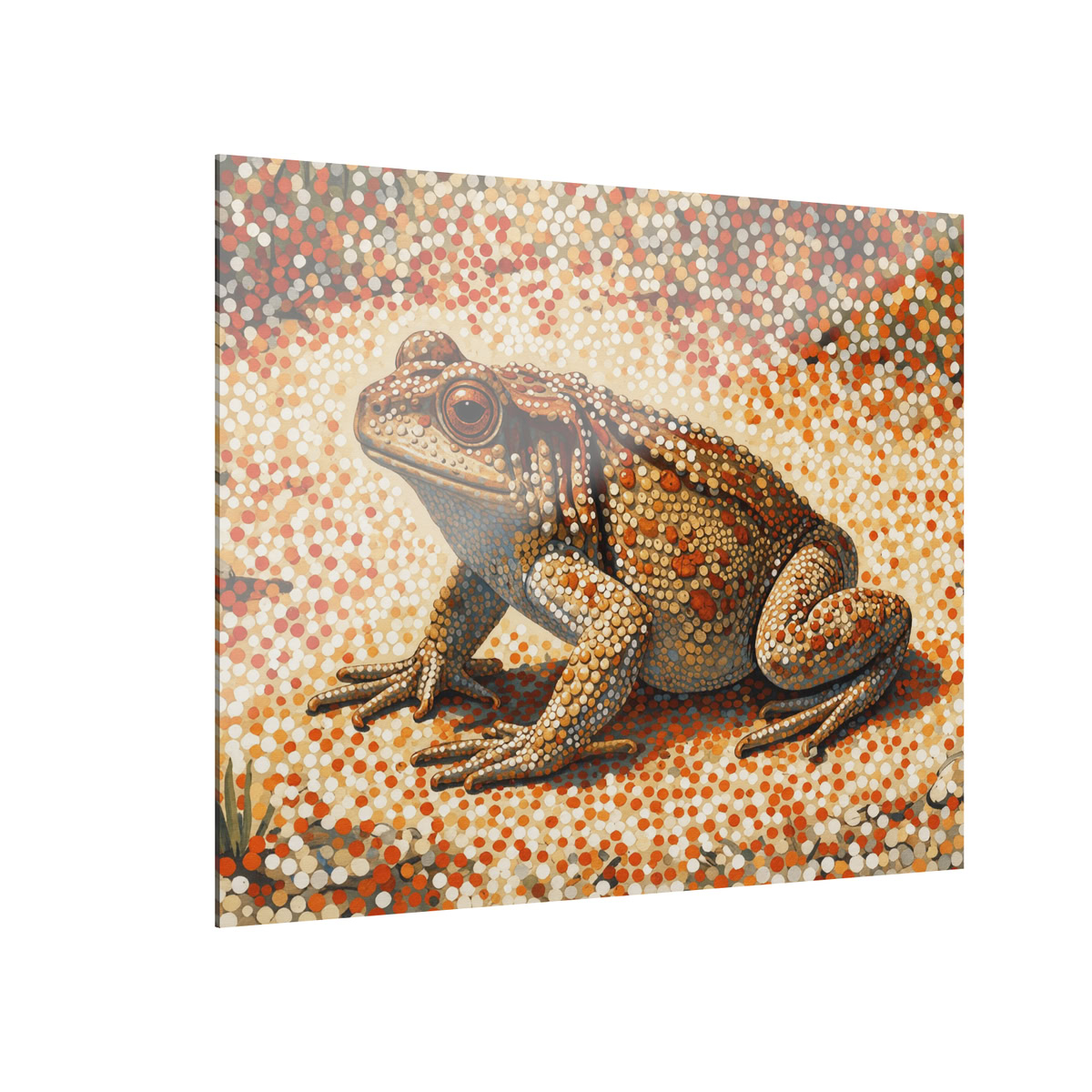
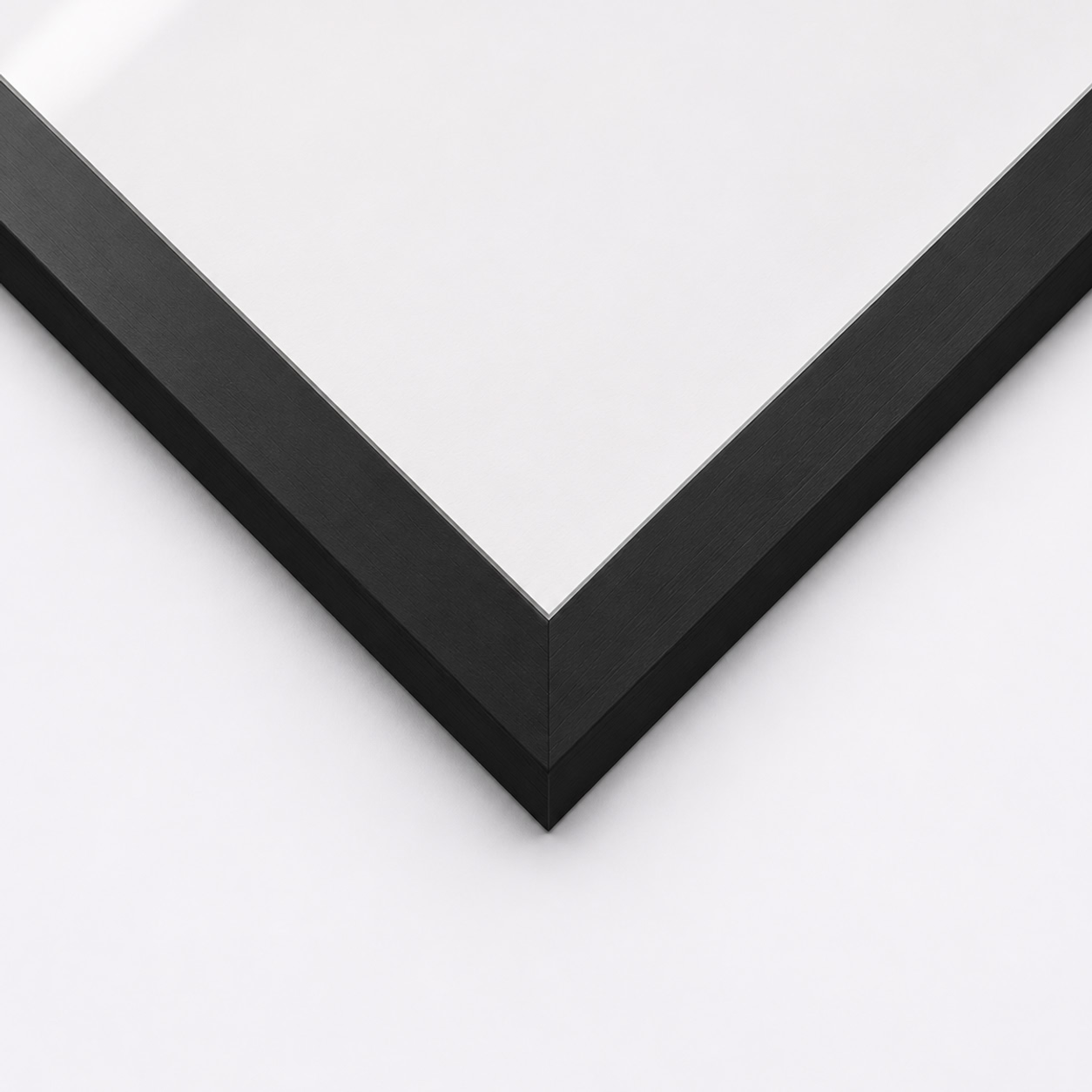
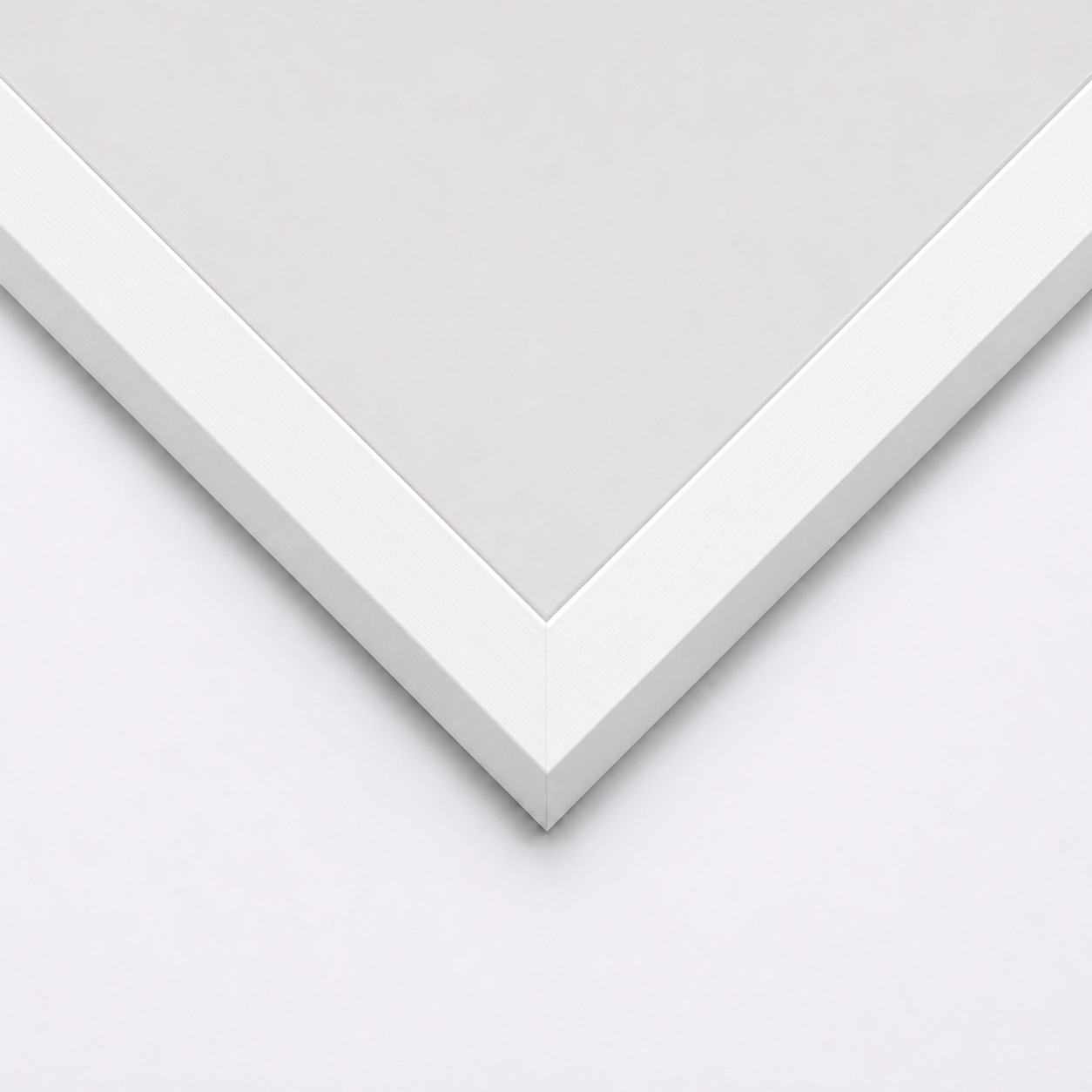
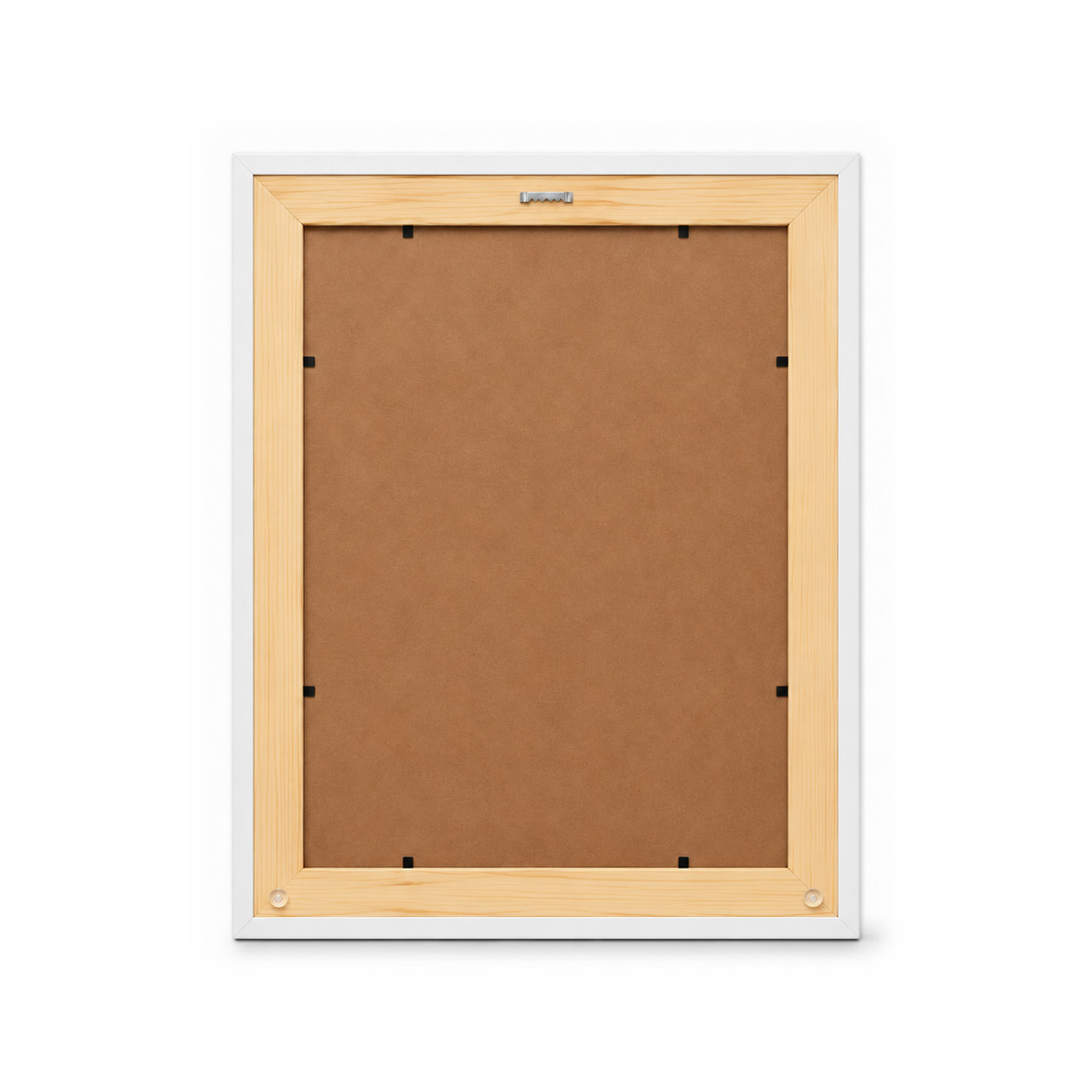
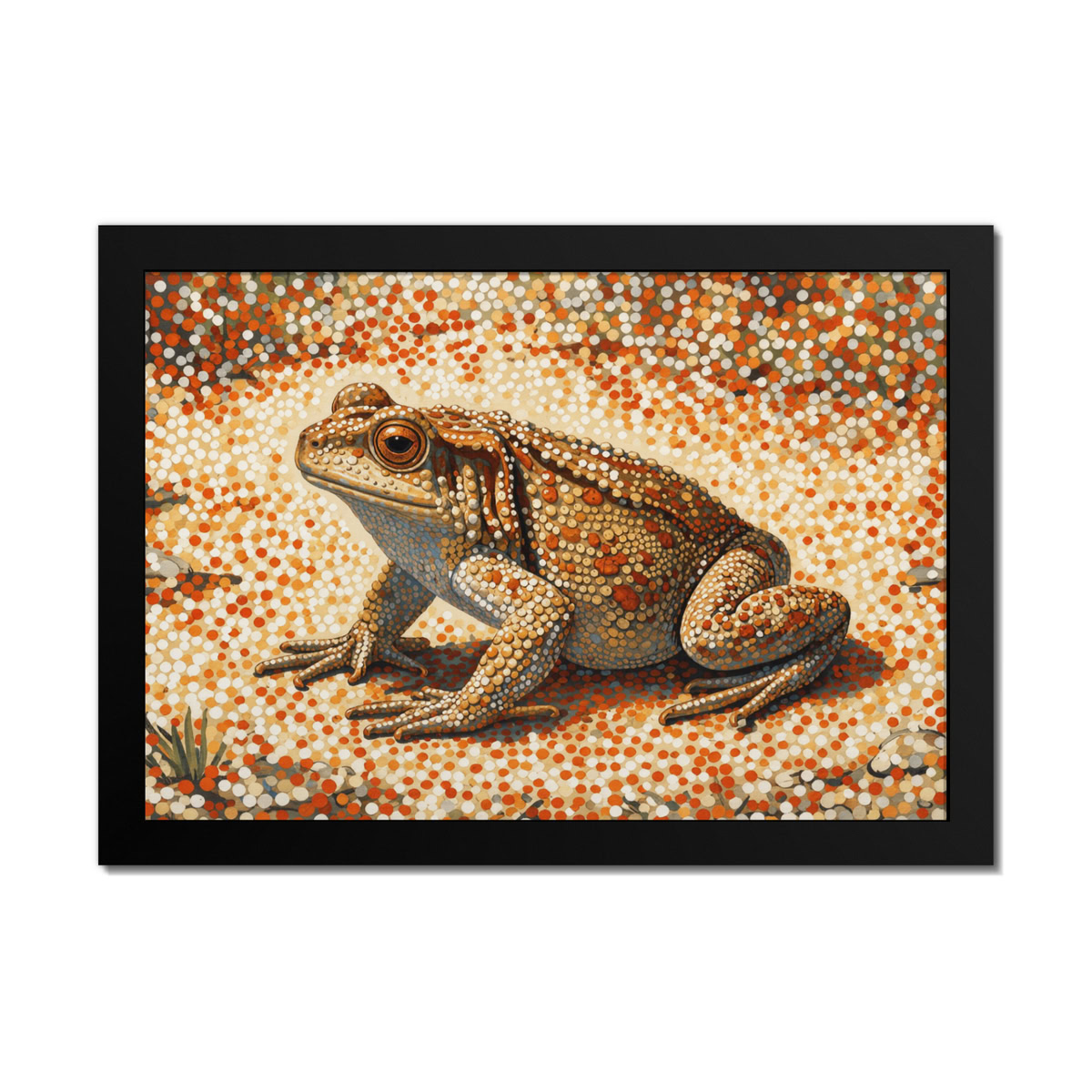
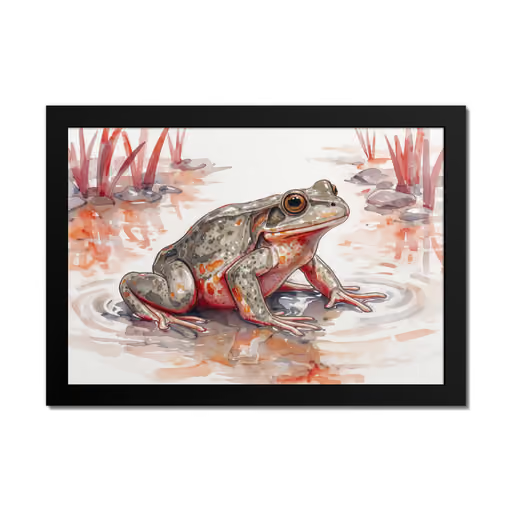
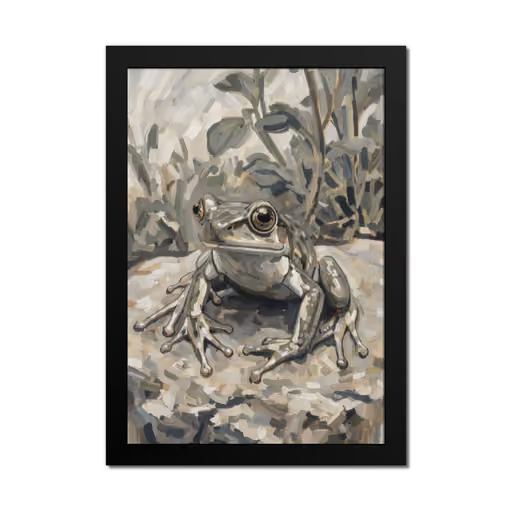
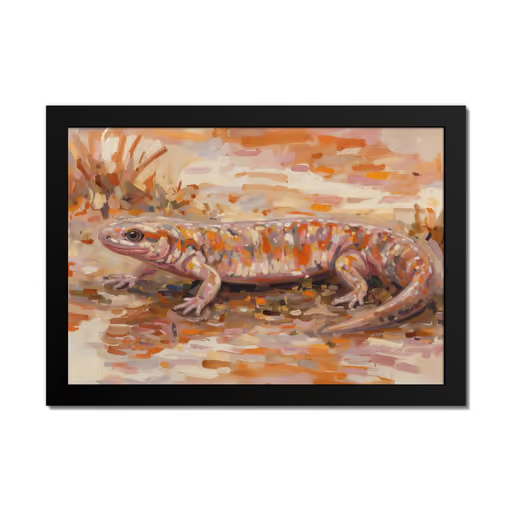
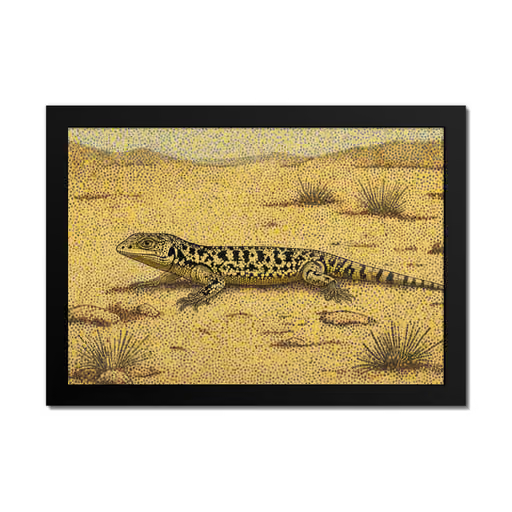
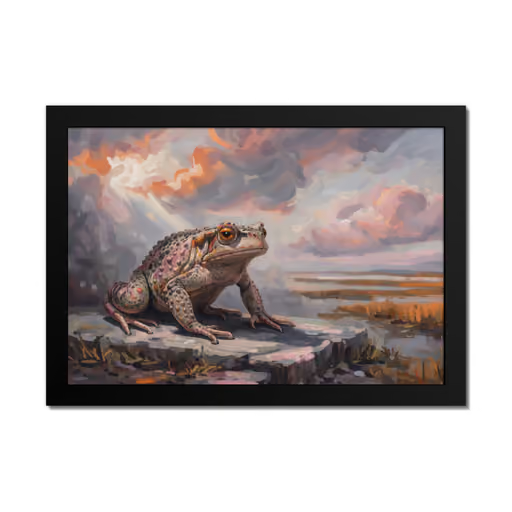
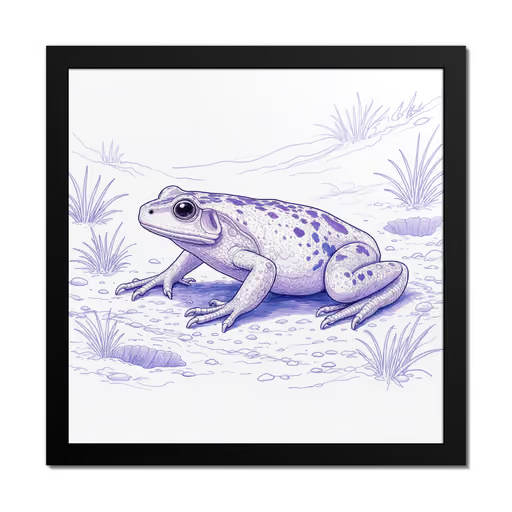
A fine art paper print measuring 33.1 × 23.4 inches in a white pinewood frame with a plexiglass cover. The artwork has a landscape orientation. The visible palette consists of white, orange, and cream. Available in 6 paper sizes (7 × 5, 10 × 8, 16.5 × 11.8, 24 × 16, 33.1 × 23.4, or 40 × 28 inches) with black or white frames. This artwork is a pointillist painting that fills the entire canvas with small, separate dots in white, orange, and cream. The composition features a complete Fowler's Toad, Anaxyrus fowleri, positioned centrally in a three-quarter side view facing left. The toad is depicted as a full-body scientific specimen, standing on all four feet with its broad head raised and compact body. The style uses dense clusters of distinct circular dots to render the warty skin, with cream highlights defining the upper back and brow, while orange and deep burnt-orange values form the eyes, nostrils, mouth line, and irregular spots across the body. Complementary relationships are created optically by placing pale cream beside orange and warm white against orange-red shadows, allowing adjacent strokes to read as nuanced transitions without introducing additional hues. Each wart, crease, toe pad, and patch of skin is constructed from individually separated dots rather than continuous brushwork. Generous breathing room surrounds the entire animal, with clear space between its silhouette and every image edge. Beneath it rests a quiet cream ground plane built from sparse orange and white dots, forming a low oval shadow directly below the feet. In the background, restrained fields of cream and orange pointillism suggest an unoccupied woodland floor through abstract patches of low vegetation, scattered pebble shapes, and broad tonal areas, all kept subordinate to the toad. The corners contain quieter, lower-contrast dot patterns, while the central subject remains crisp and fully contained within the composition.
Subjects and details
The main subject is a Fowler's Toad, Anaxyrus fowleri, shown as a full-body scientific specimen in three-quarter side view facing left. The toad stands on all four feet with its broad head raised, compact body, stout legs, folded hind limbs, rounded snout, alert dark eye, and warty skin rendered through dense clusters of distinct circular dots. Cream highlights define the upper back, brow, shoulders, and ridged dorsal folds; orange and deep burnt-orange values form the eyes, nostrils, mouth line, webbed toes, and irregular spots across the body. The composition places the toad in the open middle, with generous breathing room surrounding the entire animal, with clear space between its silhouette and every image edge. Beneath it rests a quiet cream ground plane built from sparse orange and white dots, forming a low oval shadow directly below the feet. In the background, restrained fields of cream and orange pointillism suggest an unoccupied woodland floor through abstract patches of low vegetation, scattered pebble shapes, and broad tonal areas, all kept subordinate to the toad. The corners contain quieter, lower-contrast dot patterns, while the central subject remains crisp and fully contained within the composition.
Colors and palette
Cream highlights define the upper back, brow, shoulders, and ridged dorsal folds; orange and deep burnt-orange values form the eyes, nostrils, mouth line, webbed toes, and irregular spots across the body. Complementary relationships are created optically by placing pale cream beside orange, warm white against orange-red shadows, and alternating light and dark values so adjacent strokes read as nuanced transitions without introducing any additional hue. Each wart, crease, toe pad, and patch of skin is constructed from individually separated dots rather than continuous brushwork. The background features restrained fields of cream and orange pointillism, suggesting an unoccupied woodland floor through abstract patches of low vegetation, scattered pebble shapes, and broad tonal areas, all kept subordinate to the toad. The corners contain quieter, lower-contrast dot patterns, while the central subject remains crisp and fully contained within the composition.